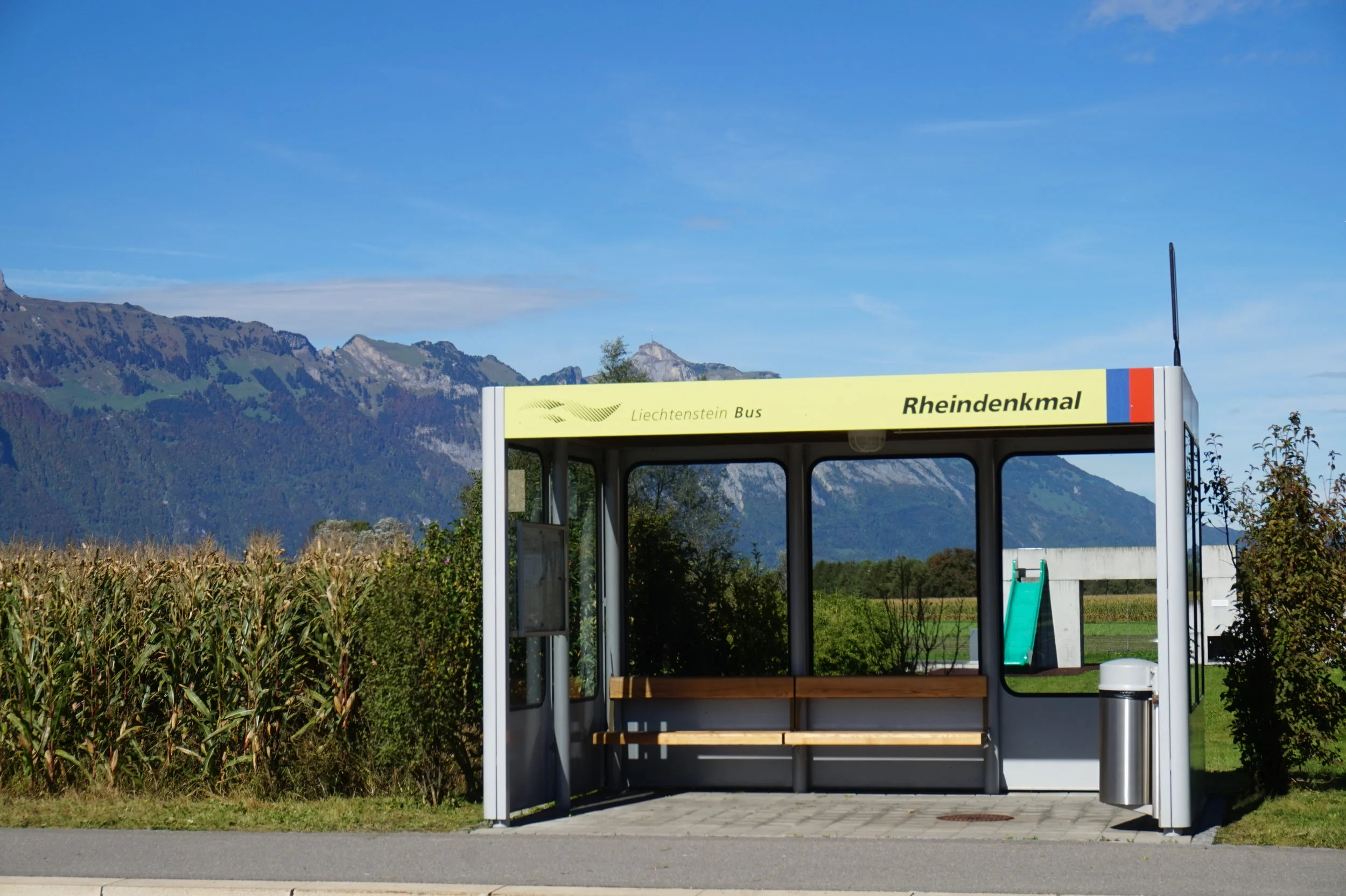
Author: webmaster
Bus transport in Luxembourg is a key part of the national public transportation system, connecting cities, towns, and rural areas across the country. Since 2020, all public transport, including buses, trains, and trams, is free nationwide, making bus travel accessible to everyone.
Local bus networks link the capital, Luxembourg City, with surrounding neighborhoods, business districts, and major transport hubs. Regional buses connect smaller towns and rural communities, as well as cross-border destinations in Belgium, France, and Germany.
Buses are modern, low-floor, and accessible,...
Bus Transport in Vilnius – Modern and Well-Integrated Urban Mobility
Bus transport in Vilnius is a key component of the city’s public transportation system. Alongside trolleybuses, buses connect residential neighborhoods, the city center, business districts, universities, and major transport hubs.
The system is operated by Vilniaus viešasis transportas, providing frequent services throughout the day. Modern low-floor buses ensure accessibility, comfort, and environmentally friendly travel across the city.
Tickets are integrated across buses and trolleybuses, allowing easy transfers and convenient payment via travel cards or mobile apps. Night services...
Bus Transport in Vaduz – Compact, Efficient, and Accessible
Bus transport in Vaduz is a central part of mobility in the small principality of Liechtenstein. Despite its compact size, the bus network efficiently connects residential areas, the city center, government offices, cultural sites, and neighboring municipalities.
Local and regional bus services link Vaduz with other towns in Liechtenstein, such as Schaan and Balzers, as well as with nearby cities in Switzerland and Austria, providing essential cross-border mobility.
Buses are modern, accessible, and offer convenient scheduling throughout the day. Ticketing is simple and often...
Bus Transport in Riga – Modern and Efficient Urban Mobility
Bus transport in Riga is a key component of the city’s public transportation network. Alongside trams and trolleybuses, buses connect residential districts with the city center, business areas, universities, and major transport hubs.
The system is operated by Rīgas Satiksme, offering frequent services throughout the day. Modern low-floor buses ensure accessibility, comfort, and environmentally friendly travel within the city.
Tickets are integrated across buses, trams, and trolleybuses, allowing easy transfers and convenient payment via travel cards or mobile apps. The network also...
Bus Transport in Astana – Modern and Expanding Urban Mobility
Bus transport in Astana is a central part of the city’s public transportation network. Serving the rapidly growing capital of Kazakhstan, buses connect residential neighborhoods, the city center, business districts, universities, and major transport hubs.
The system is operated by municipal transport authorities, offering frequent daytime routes as well as night services on key lines. Modern low-floor buses and articulated vehicles provide comfort, accessibility, and reliable service even in Astana’s extreme winter climate.
Buses complement the city’s other transportation modes,...
Bus Transport in Palermo – Vital Urban and Regional Mobility
Bus transport in Palermo is a key part of the city’s public transportation system. Operated primarily by AMAT, buses connect residential neighborhoods, the historic city center, business districts, and major transport hubs, including the port and train station.
The network complements Palermo’s limited tram services, ensuring coverage in areas not served by rail. Services include regular daytime routes, express lines, and connections to surrounding towns and suburbs in the metropolitan area.
Modern buses are low-floor, accessible, and equipped with digital displays for route...
Bus Transport in Rome – Extensive, Historic, and Well-Connected
Bus transport in Rome is a fundamental part of the city’s public transportation system. Operated mainly by ATAC, buses connect residential neighborhoods, historic districts, business areas, universities, and major transport hubs.
Rome’s bus network complements the metro, tram, and suburban rail systems, ensuring coverage in areas where rail lines are not accessible. The system includes regular daytime routes, express buses, night buses, and airport connections, providing flexibility for commuters and tourists alike.
Modern buses are low-floor and equipped with digital route displays...
Bus Transport in Dublin – Extensive and Well-Connected Urban Mobility
Bus transport in Dublin is a vital part of the city’s public transportation network. Operated mainly by Dublin Bus, the system connects residential neighborhoods, the city center, universities, business districts, and key transport hubs.
Buses complement the DART commuter rail and Luas tram systems, ensuring coverage of areas not served by rail. Dublin’s network includes regular daytime routes, express services, and night buses, providing flexible travel options for residents and visitors.
Modern buses feature low floors for accessibility, air conditioning, and digital displays for...
Bus Transport in Reykjavík – Reliable and Essential for the Capital Region
Bus transport in Reykjavík is the primary form of public transportation in Iceland’s capital, as the country does not have a railway system. The network is operated by Strætó, which manages routes throughout the capital area and connects neighboring municipalities.
The bus system links residential districts, the city center, schools, shopping areas, and key public institutions. It also provides connections to nearby towns within the greater Reykjavík region, making it essential for daily commuting.
Modern buses are low-floor and accessible, designed to operate efficiently even during...