Author: webmaster
Bus transport in Lisbon plays a crucial role in connecting the city’s historic neighborhoods, modern districts, and surrounding suburbs. Operated primarily by Carris, the bus network complements Lisbon’s metro, trams, and suburban trains.
Due to the city’s hilly terrain and narrow streets, buses are especially important for areas not directly served by the metro. The network includes regular daytime routes, night services, and connections to major transport hubs, business districts, and residential zones.
Lisbon has been investing in environmentally friendly mobility, introducing...
Bus Transport in Warsaw – Extensive, Modern, and Well-Integrated
Bus transport in Warsaw is a major part of the city’s comprehensive public transportation system. Operated under the authority of ZTM Warsaw, buses connect residential districts, business areas, universities, and suburban neighborhoods across the metropolitan region.
The bus network complements Warsaw’s metro, tram, and suburban rail services, ensuring full coverage of areas not directly served by rail lines. The system includes frequent daytime routes, express lines, and an extensive night bus network that operates after metro services close.
Modern low-floor and articulated buses...
Bus Transport in Oslo – Modern, Sustainable, and Well-Integrated
Bus transport in Oslo is a key component of the city’s highly efficient public transportation system. Operated by Ruter, buses complement the metro (T-bane), trams, ferries, and regional trains, ensuring full coverage of the Norwegian capital and surrounding areas.
The bus network connects residential districts, business zones, universities, and suburban neighborhoods that are not directly served by rail. Services are frequent, punctual, and well-coordinated with other modes of transport.
Oslo is a European leader in sustainable mobility, with a large fleet of electric and...
Bus Transport in Skopje – Core of Urban Mobility
Bus transport in Skopje is the primary form of public transportation in the city. As the largest urban center in North Macedonia, Skopje relies heavily on its bus network to connect residential neighborhoods, the city center, business districts, universities, and industrial zones.
The system is operated mainly by JSP Skopje, providing frequent routes throughout the day. One of the recognizable features of Skopje’s transport system is the use of red double-decker buses, inspired by classic European designs.
In addition to urban routes, the central bus station in Skopje serves as a hub...
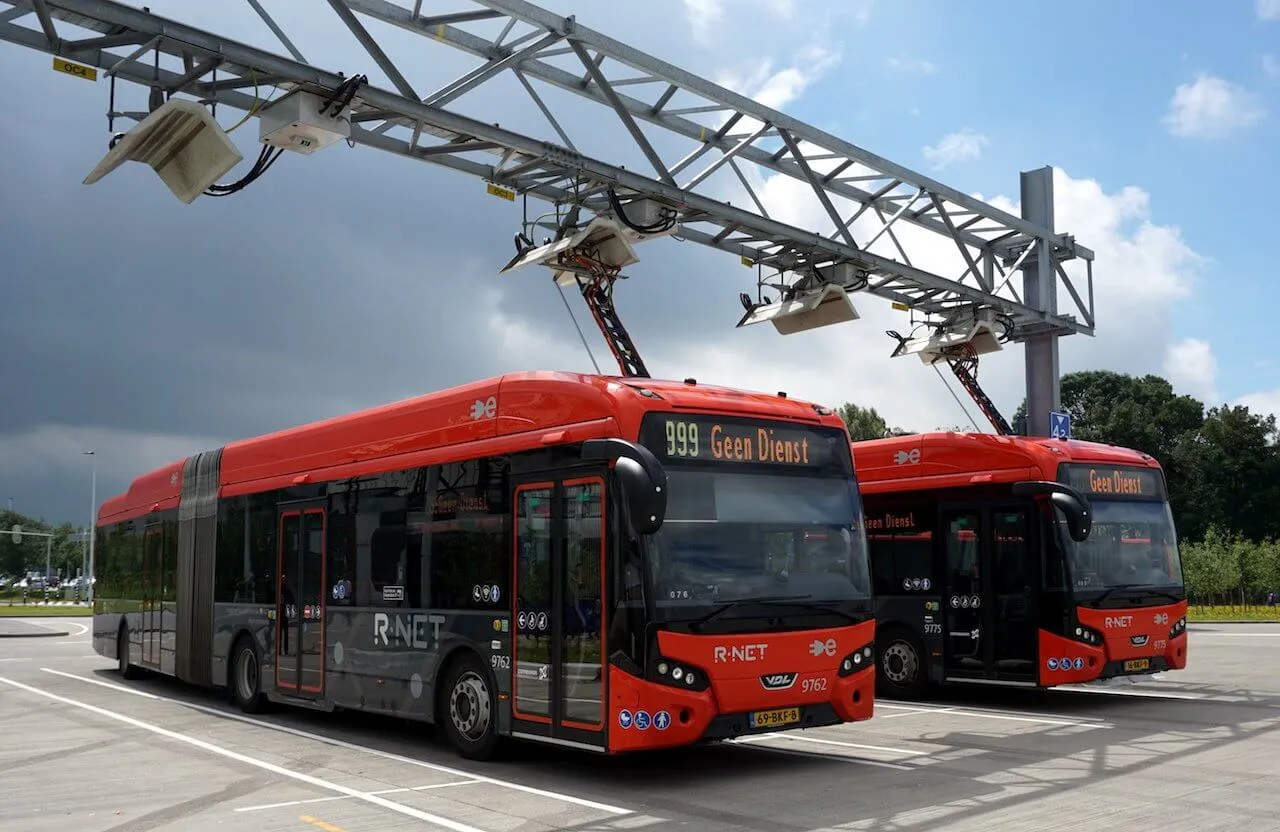
Bus Transport in Amsterdam – Efficient, Modern, and Well Integrated
Bus transport in Amsterdam is an important part of the city’s highly developed public transportation system. Operated mainly by GVB, buses complement the extensive tram and metro network, especially in outer districts and residential neighborhoods.
The bus system connects the city center with suburban areas, business zones, educational institutions, and transport hubs. Several routes also link Amsterdam with nearby towns and Amsterdam Schiphol Airport.
Modern low-floor buses provide accessibility, digital passenger information displays, and comfortable seating. The city is strongly...
Bus Transport in Podgorica – Growing and Essential Urban Mobility
Bus transport in Podgorica plays an important role in connecting residential neighborhoods, the city center, business areas, and educational institutions. As the largest city in Montenegro, Podgorica serves as the main transport hub of the country.
Urban bus routes provide daily mobility for residents, while the central bus station offers numerous intercity and international connections. From Podgorica, buses regularly operate to cities such as Nikšić, Budva, Bar, and Herceg Novi, as well as to neighboring countries.
Although the urban bus network is smaller compared to major...
Bus Transport in Monte Carlo – Compact, Efficient, and Well-Connected
Bus transport in Monte Carlo is a key component of mobility within the Principality of Monaco. Despite its small size, the area benefits from a well-organized and modern public bus network.
Services are operated by Compagnie des Autobus de Monaco (CAM), connecting Monte Carlo with other districts such as La Condamine, Fontvieille, and Monaco-Ville. Routes also provide access to major attractions, residential areas, business zones, and transport hubs.
Buses are modern, low-floor, and environmentally friendly, with electric vehicles increasingly integrated into the fleet. Digital...
Bus Transport in Chișinău – Core of Urban Mobility
Bus transport in Chișinău is a fundamental part of the city’s public transportation system. Alongside trolleybuses and minibuses (marshrutkas), buses connect residential districts with the city center, business areas, universities, markets, and major transport hubs.
The network is operated by the municipal transport authorities and provides frequent services throughout the day. Buses complement Chișinău’s extensive trolleybus system, ensuring coverage in neighborhoods and suburban zones not directly served by electric lines.
Modernization efforts in recent years have introduced newer...
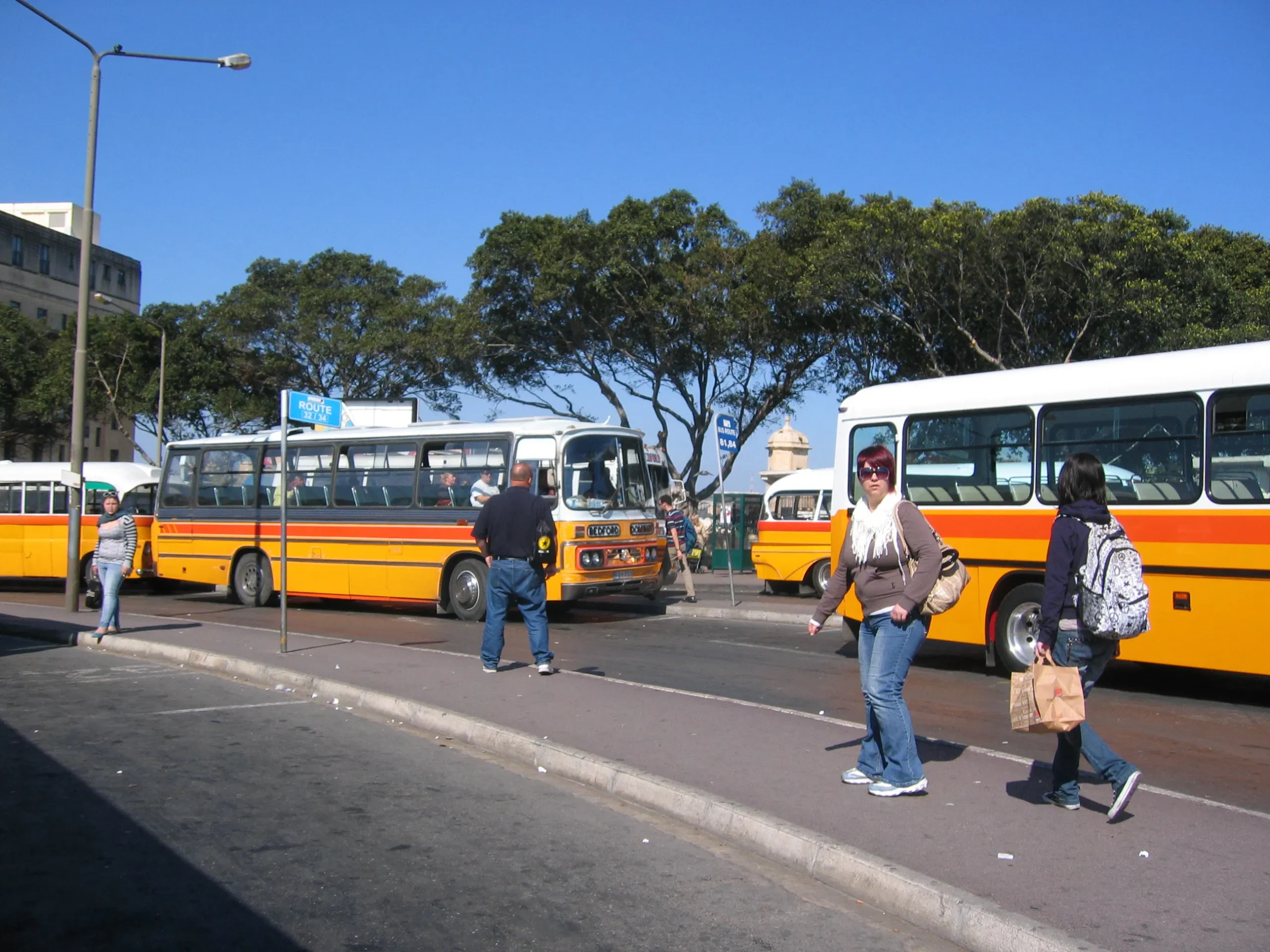
Bus Transport in Valletta – Central Hub of Island Mobility
Bus transport in Valletta plays a central role in the mobility of this Mediterranean island nation. As the administrative and cultural heart of Malta, Valletta serves as the main hub for nationwide bus routes.
The system is operated by Malta Public Transport, providing connections from Valletta to all major towns and tourist destinations across the island, including Sliema, St. Julian’s, Mdina, and the Malta International Airport.
Valletta’s central bus terminal, located just outside the historic city gates, functions as the primary interchange point for urban and regional routes....