1️⃣ Basic Information About the City
- Country: Serbia
- Population: approx. 75,000
- Time zone: CET (GMT+1), CEST in summer
- Climate: Moderate continental climate
- Best time to visit: May–September
- Tourist Information Center: Located near the central square
Short description:
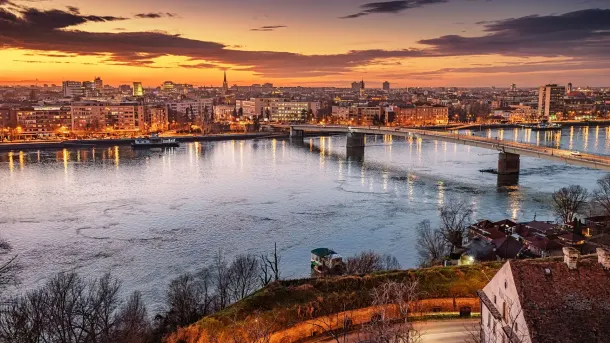
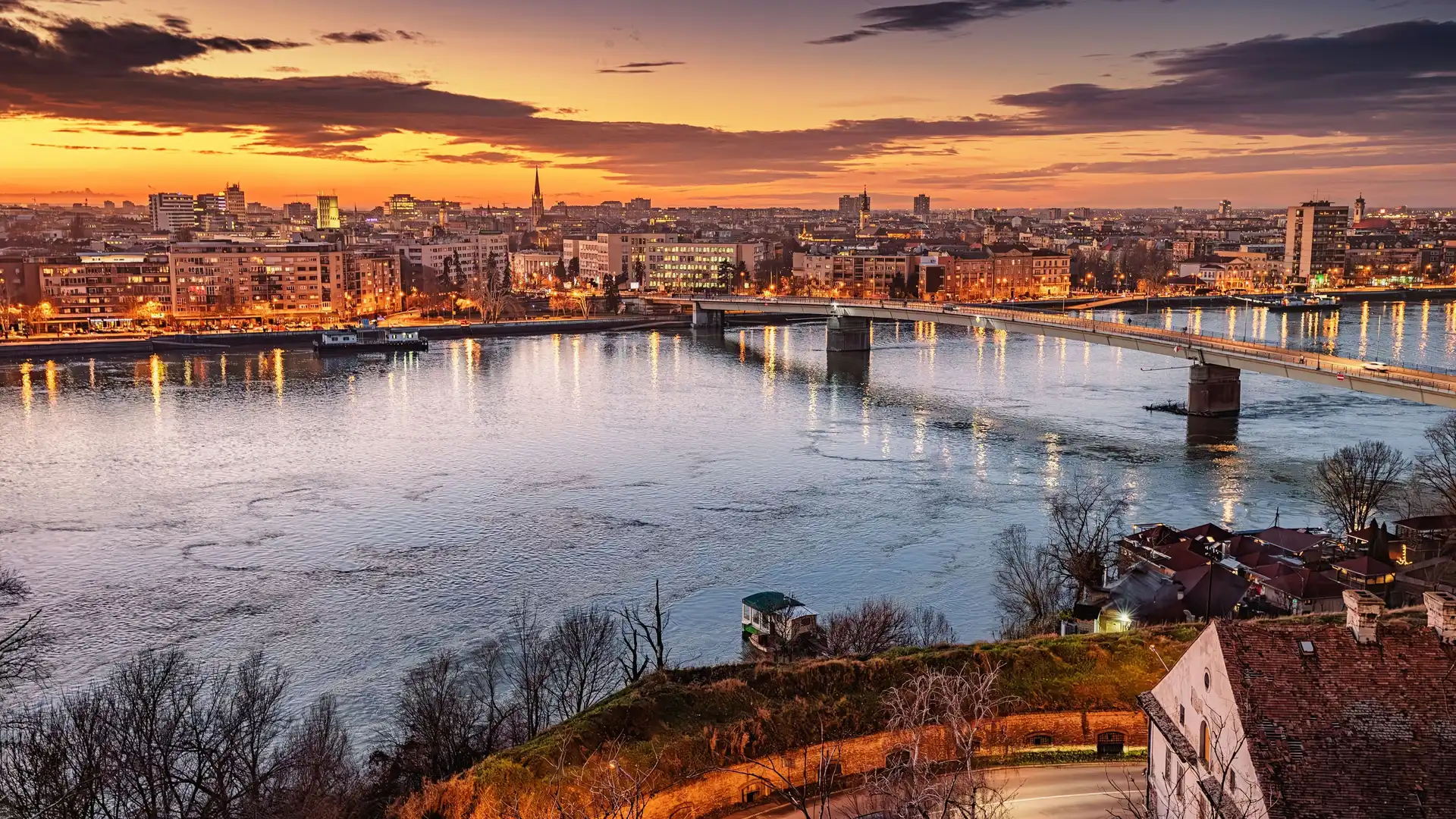
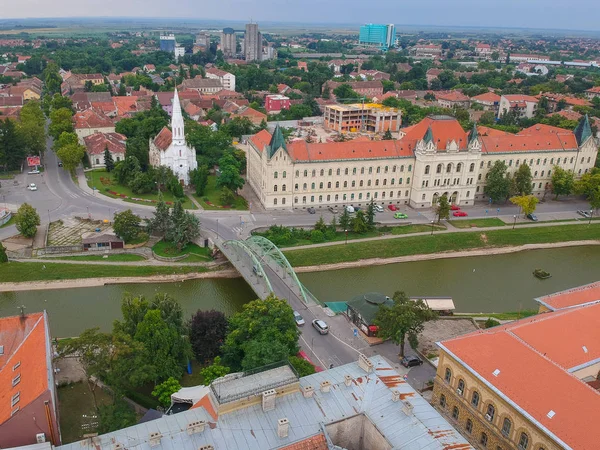
Zrenjanin is a historic city in the Banat region of northern Serbia, situated on the banks of the Begej River. Known for its elegant architecture, bridges, and relaxed atmosphere, the city has a rich multicultural heritage shaped by Serbian, Hungarian, German, and Romanian influences. Zrenjanin is also famous for its traditional events and culinary festivals, including the popular “Days of Beer” celebration.
2️⃣ How to Get to Zrenjanin
- ✈ Nearest airport: Belgrade Nikola Tesla Airport (about 80 km away)
- 🚆 Railway station: Zrenjanin Railway Station
- 🚌 Bus station: Zrenjanin Bus Station
- 🚗 By car: About 1 hour drive from Belgrade
Transport from Belgrade to Zrenjanin:
- 🚌 Intercity buses – regular daily connections
- 🚗 Car – approx. 60 minutes drive
- 🚐 Shuttle services available
3️⃣ Public Transport in Zrenjanin


Public transport in Zrenjanin includes:
- 🚌 City buses
Tickets:
- Available from the driver or kiosks
- Very affordable
Tips for tourists:
- The city center is small and walkable.
- Cycling is a common way to explore the city.
- Taxis are inexpensive and easy to find.
4️⃣ Main Attractions


⭐ Top Attractions:
- Freedom Square – The central square surrounded by historic buildings.
- Zrenjanin City Hall – One of the most recognizable buildings in the city.
- National Museum of Zrenjanin – Museum presenting the history and culture of the Banat region.
- Begej River Promenade – A pleasant walking area along the river.
🌿 Parks & Nature:
- Karađorđev Park
- Nature reserve Carska Bara – One of the largest wetland reserves in Serbia, ideal for birdwatching and nature lovers.
5️⃣ Accommodation
- 🏨 Hotels in the city center
- 🏢 Mid-range hotels – €30–70 per night
- 🏠 Private apartments available
- 🛏 Guesthouses in nearby villages
6️⃣ Food & Drinks
- 🍽 Serbian and Vojvodina cuisine
- 🥘 Traditional Banat dishes
- 🍺 Local beers and regional wines
- 🍰 Homemade desserts and pastries
💰 Average lunch price: €6–11
Tipping: 5–10% appreciated.
7️⃣ Practical Information
- 💶 Currency: Serbian dinar (RSD)
- 💳 Credit cards accepted in most places
- 📶 SIM cards available at kiosks
- 🚑 Emergency number: 112
- 🔒 Generally safe city
- 🕒 Shops usually open 8 AM – 9 PM
8️⃣ Useful Tips for Tourists
- Visit during the “Days of Beer” festival, the biggest event in the city.
- Walk along the Begej River promenade in the evening.
- Explore nearby nature reserve Carska Bara.
- Try traditional Banat cuisine in local restaurants.
🚍 Transport for Tourists – Quick Guide
- 🚶 Best option: Walking around the city center
- 🚲 Alternative: Bicycle
- 🚖 Fastest option: Taxi
- 🚗 Best for exploring nature reserves: Car rental